
The MSc Aviation Safety and Human Factors has been designed to prepare professionals for leadership in one of the most critical areas of modern aviation. This programme combines rigorous academic study with applied industry practice, enabling students to explore how safety management systems, regulatory frameworks, and human performance intersect to shape decision-making and operational effectiveness.
The study of safety management is critical in the Aviation industry as it aims not only to prevent unwanted outcomes (accidents/incidents) but also in terms of enhancing production. A robust safety management system provides a balance between protection and production.
Human performance is a cornerstone of Aviation safety and efficiency. This module explores the cognitive, physiological, and psychological factors that influence human capabilities and limitations in complex aviation environments. Students will critically examine theories of cognition, attention, memory, workload, decision-making, stress, fatigue, and situational awareness, and evaluate their implications for both individual and organisational performance.
Effective leadership is a critical determinant of safety and resilience in the Aviation industry, particularly in times of crisis. This module explores the principles, theories, and practices of leadership in complex, safety-critical organisations, with a particular focus on how leaders prepare for, respond to, and recover from crises.
Safety in Aviation depends not only on technical systems and individual performance but also on the effective integration of human factors within organisational safety management frameworks. This module explores how human factors principles are applied at the system and organisational level, with particular focus on ICAO Annex 19 and the global adoption of Safety Management Systems (SMS).
Crew Resource Management (CRM) is a cornerstone of Aviation safety, designed to optimise human performance through effective communication, leadership, teamwork, and decision-making in multicrew environments.
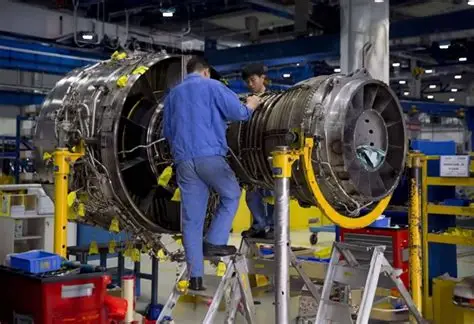
Airworthiness and effective maintenance management are essential foundations of Aviation safety. This module provides an integrated understanding of the technical, regulatory, and human factors that underpin safe and reliable aircraft operations.
The Aviation industry increasingly relies on advanced technologies, automation, and artificial intelligence (AI) to enhance safety, efficiency, and performance. This module introduces students to the principles of human–machine interaction (HMI) in Aviation and explores how automation, digital systems, and AI shape human performance, decision-making, and safety outcomes.
Flight Data Monitoring (FDM) is a proactive safety tool that systematically collects and analyses flight operations data to identify trends, risks, and areas for improvement before they lead to incidents or accidents.
This module covers the principles and regulatory frameworks of aviation incident and accident investigations. You will learn how service providers analyse safety occurrences and use investigative tools to identify causal factors. By evaluating safety data, you will understand how to spot trends, implement corrective actions, and foster a Just Culture to prevent recurrence and support continuous organisational learning.
This module offers students the unique opportunity to engage directly with current business challenges faced by organizations. Through a comprehensive process that spans from identifying problems to proposing actionable solutions, students will apply their skills in managing and navigating business issues, fostering research into real-world organizational impacts.
(The Times and Sunday Times Good University Guide 2024)
(The Times and Sunday Times Good University Guide 2024)
(The Times and Sunday Times Good University Guide 2024)
(Daily Mail University Guide 2024)
(Daily Mail University Guide 2024)

Click the button below to enroll in your desired course or request essential study materials effortlessly.